
The last quarter of the agreement is where the real decisions sit
Most office printer rentals work well until the final stretch, when page volumes, scan habits and colour use become clearer than they were at the start. A machine that suited a ten person office in Midrand may no longer suit a growing team, while a branch in Sandton might find that a heavier mono load now needs a different size device.
That is the point where end of term options become practical rather than administrative. The office can keep the same arrangement, move to a different model, or set up a handover that closes the account neatly and leaves no loose metre issues behind.
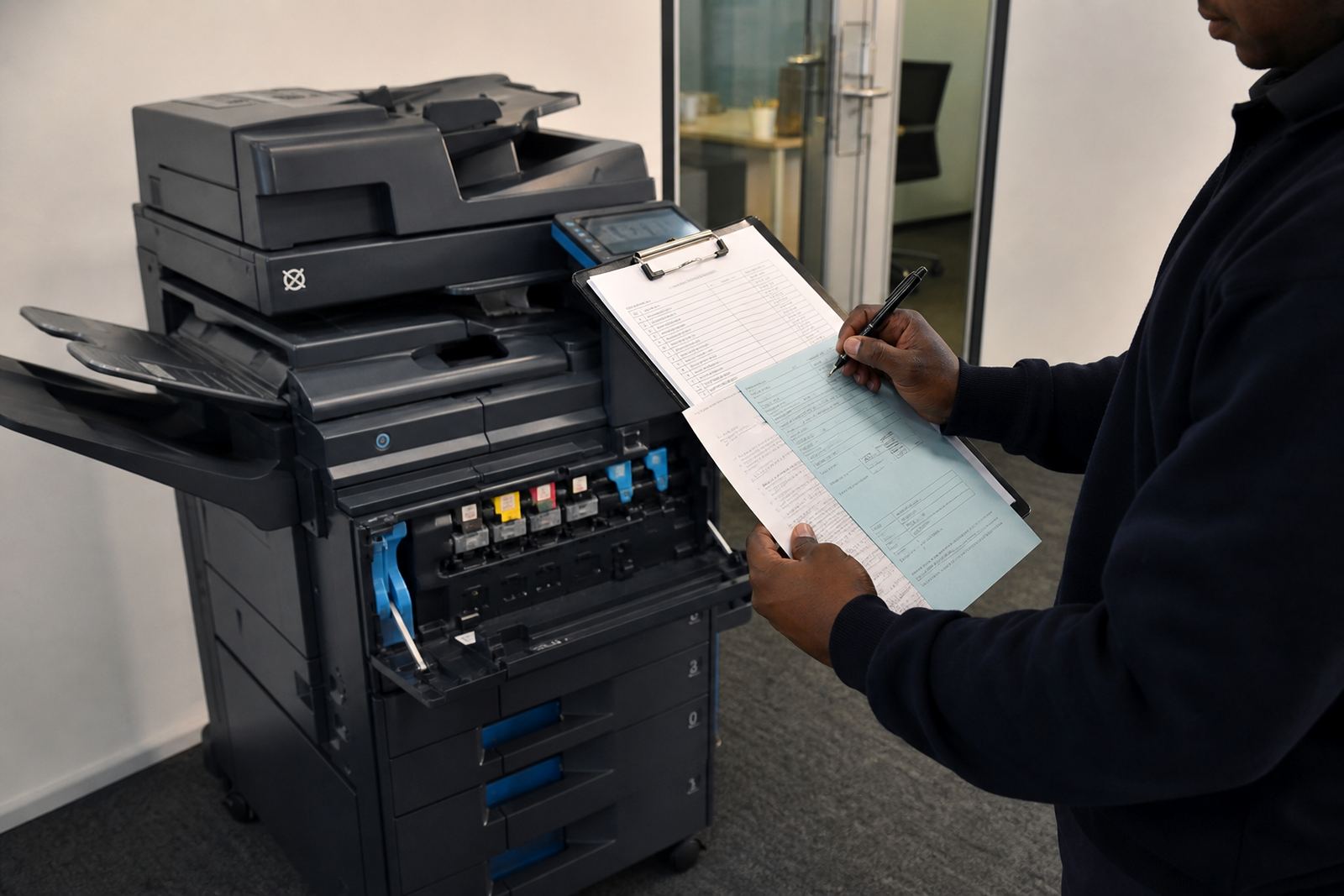
What usually gets checked before the term closes
A proper end term review is less about paperwork and more about how the device has been used. Monthly rental, click charges and toner supply all sit together, so the final view should match the real print pattern across the office.
- Monthly print volume against the original estimate
- Mono pages versus colour pages
- Scan to message use and whether staff still need it
- Secure print requirements for shared offices and reception areas
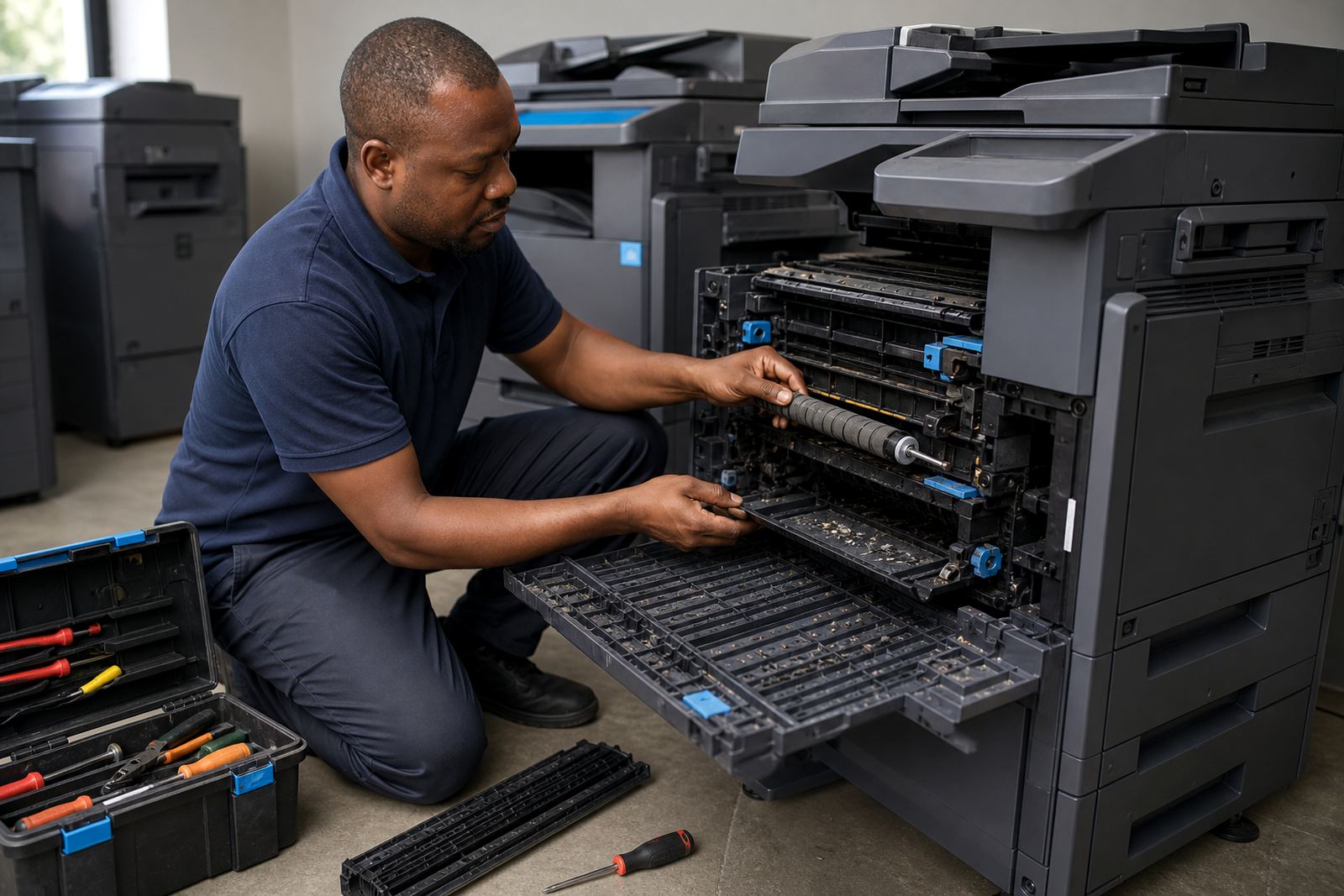
- Service history, fault patterns and parts wear
- Current metre readings and any billing adjustments
Once those points are clear, the next step is much easier to judge. A legal practice in Pretoria may need better secure print controls, while a school office in Bloemfontein may need stronger mono capacity and a simpler user flow.
Swap the machine when the workflow has changed
End of term is often the best time to move to a different size machine instead of keeping the old one on in the same form. A3 copying, higher duty cycles, larger paper trays and faster duplex scanning all matter when the office has become busier.
Teams also use this moment to adjust the service plan. If there are more staff, more branch printing or more scanning to shared folders, the fleet needs a different shape. The swap can also help when a colour device is no longer needed and the office wants a cleaner mono setup to control monthly cost.
- Move from A4 only to A3 capable copying
- Reduce colour access where mono is enough
- Add scan workflows for filing and message use
- Improve secure print where documents move through open spaces
- Set a more suitable click charge structure for the next term
Returning a machine needs a clean metre trail
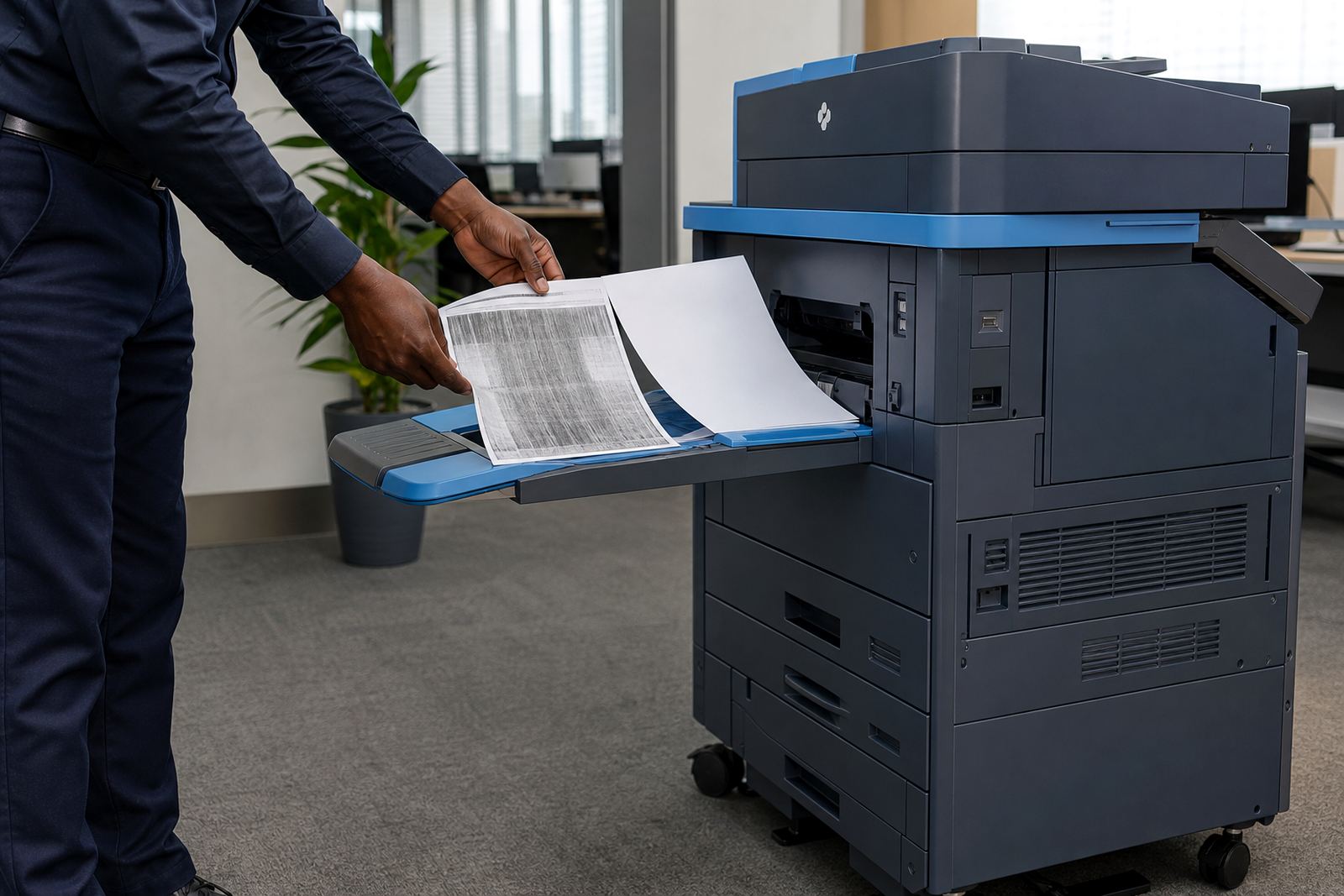
When the office decides not to continue, the return should be planned around the metre reading and the physical condition of the machine. That keeps the close out tidy and avoids arguments about pages, toner levels or missing accessories.
Handover normally includes the final reading, any outstanding consumables, and the removal or relocation of the device. In places like Halfway House or Centurion, where offices often shift around business parks, a clear exit process matters because the machine may be moved between floors or passed to another site in the same group.
The practical point is simple enough. Do not leave the close out until staff are packing boxes and looking for cables, trays or user guides at the last minute.
End of term is also the time to sort user handover
A printer that has worked well for two or three years may still need a proper handover before the next term starts. Staff change, reception duties change and the people who know the scan path are not always the same people who will stay in the office.
That handover should cover daily use, toner handling, paper sizes, jam clearing and the basics of secure print. If the machine is moving to another floor or branch, it also helps to confirm who will monitor metre readings and who will log service calls when something is not feeding correctly.
Short notes at this stage save a lot of small interruptions later. A new team member in Cape Town should not have to guess which tray takes A4, or where to find the scan destination list.
A Midrand office example shows how the choice usually lands
Picture a Midrand office that started with a mono A4 machine and later added colour because proposals, training packs and internal reports had grown. By the end of term, the accounts team sees that colour use is still limited, but scan to message and secure print are now used every day.
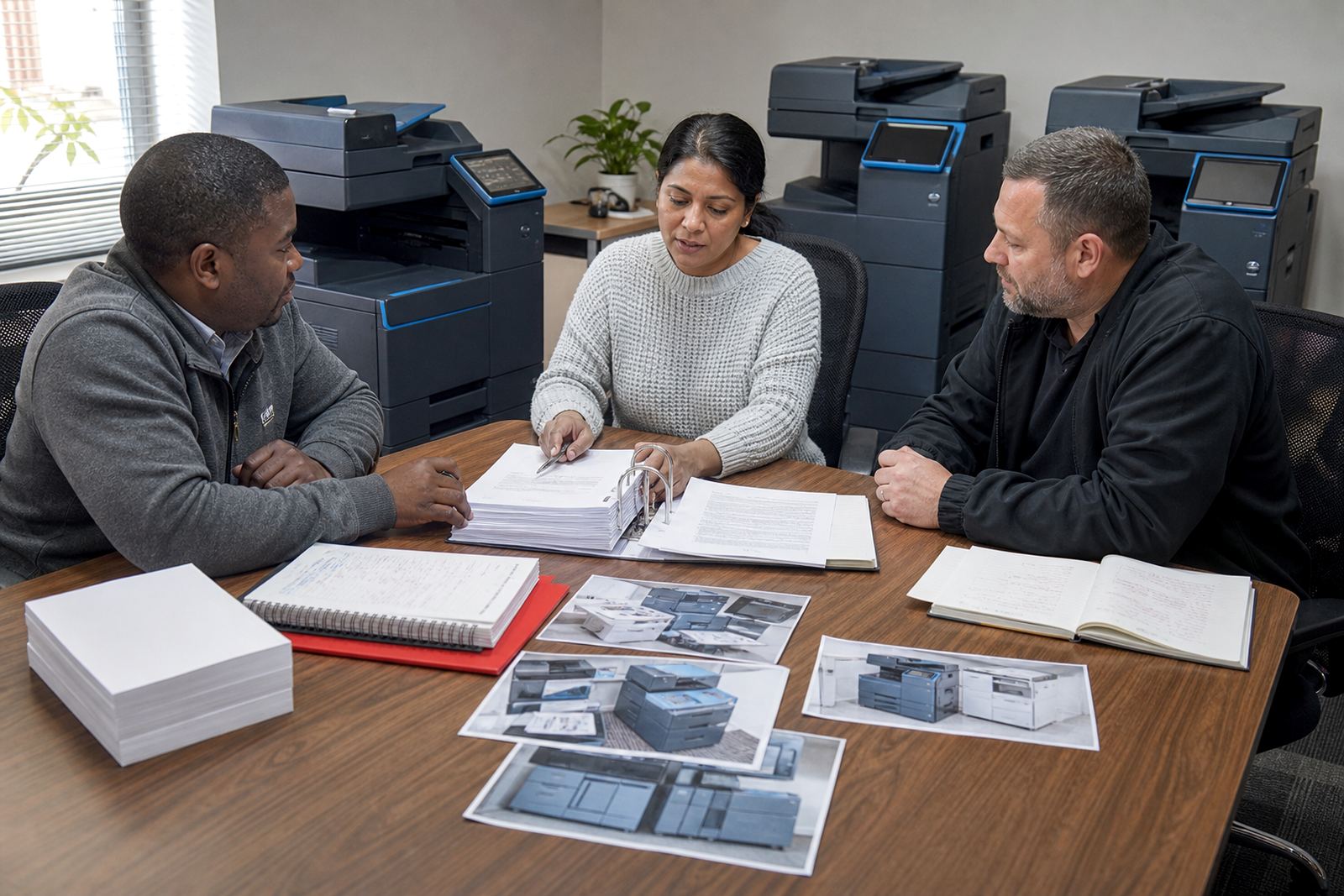
The office has three sensible paths. Keep the current unit if the load still suits it, replace it with a better matched A3 multifunction machine, or move to a smaller setup if the work has shifted. The right answer depends on the metre history, the paper sizes in use and whether the floor plan has changed.
That same thinking works for branches in Durban, Pretoria or Bloemfontein. The town changes, but the question stays the same: does the next term need the same device, or a better fit for the work on the floor.